


Zoya was born in Mariupol, in a working class family in 1984. Zoya first appeared in the world of documentary cinema as a character in the film “Ma”(10’) in 2017, and a year later made her first short documentary “Diorama” about the mined sea at the Mariupol area. The film won an award in the MyStreetFilms category at the “86” festival (Ukraine) in 2018, has participated in numerous European film festivals (DOKLeipzig, Ji.Hlava, Cottbus etc), and was released in cinemas in Ukraine in 2019.
În 2021, Zoya a prezentat în premieră noul său scurtmetraj Territory of Empty Windows (10’) la DocudaysUA International Human Rights DFF, iar acesta a fost difuzat în cinematografe la Molodist IFF din Kiev. Filmul a primit un premiu special la festivalul Ji.Hlava, la Obirok 2021, și premiul principal la competiția de documentar a festivalului franco-ucrainean MIST 2021. Premiera internațională a avut loc la MakeDox IFF, Macedonia de Nord.
Înainte de începerea războiului la scară largă al Rusiei împotriva Ucrainei (2022), Zoya locuia în Kiev și lucra ca artistă independentă și realizatoare de filme documentare. Lucrează cu teme legate de război, memorie și povești personale.
AFAR TALK. Memory Practices by Zoya Laktionova
Speaker: Zoya Laktionova
March 16th, 19:00 – Anca Poterașu Gallery, Popa Soare 26
This talk is organized by ARAC in the framework of AFAR Network project.
Artists for Artists Residency Network (AFAR) is an EU co-funded project.The residency program aims to improve the mobility of contemporary visual artists and curators in Romania, Germany, Croatia, and Austria. The project is led by the Romanian Association for Contemporary Art (ARAC) with its three consortium partners – Goethe Institute Network, Croatian Association of Fine Artists, and Künstlerhaus Vienna.
About the project: The main topics are related to long-term cultural and social connections between local contexts, regarding cross-cutting themes of ecology and inclusion, specifically concerning wartime and economic migration of people. The project provides a range of new opportunities to art practitioners of all ages, across a variety of artistic mediums and backgrounds, with special regard to women in the arts and gender equality, to become involved in a series of artistic residencies, curatorial fellowships, artists& curators talks, and exhibitions where they can contribute and work together with their peers in creating self-sustainable models of mutual support and cooperation. This will be achieved through methods that include networking events, co-shared working spaces, case-study research of proposed models of residencies, knowledge-sharing between the partners in organizing residencies and public artist/curator talks, the development of an advocacy strategy for increased mobility of artists and curators in the consortium countries.
Views and opinions expressed are however those of the author(s) only and do not necessarily reflect those of the European Union or European Education and Culture Executive Agency (EACEA). Neither the European Union nor the granting authority can be held responsible for them.
Memory Practices will feature a curated screening of films by artist Zoya Laktionova, followed by an interactive discussion with the audience.
In my practice, I adopt micro-history, auto-ethnography, and creative storytelling to unfold the complexities of greater events and historical context. In my short films, I build a human-to-human language that doesn’t use complex political terms and is clear to the majority of the living. Even though my stories often touch on the complexity of the influencing macro powers of existence, I believe that the micro-stories of the human experience, and especially for me now—the human experience of war—need to be told. For a human to feel the other human being behind the big abstract categories like politics, history, economics, or social theory.
(by Zoya Laktionova)
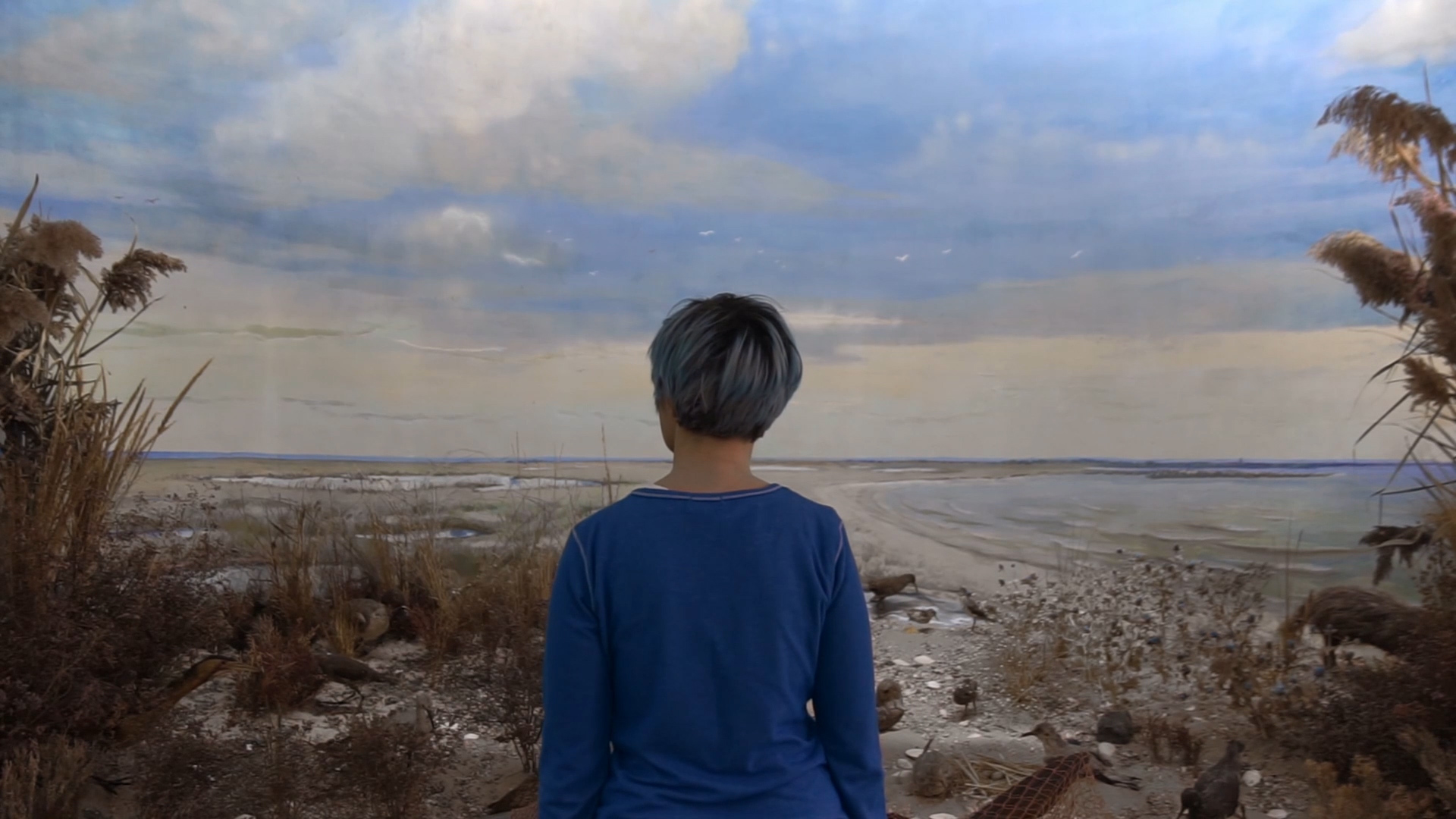
Artwork: Zoya Laktionova, Still from the short film Diorama, 35 x 19,7 cm, 2018