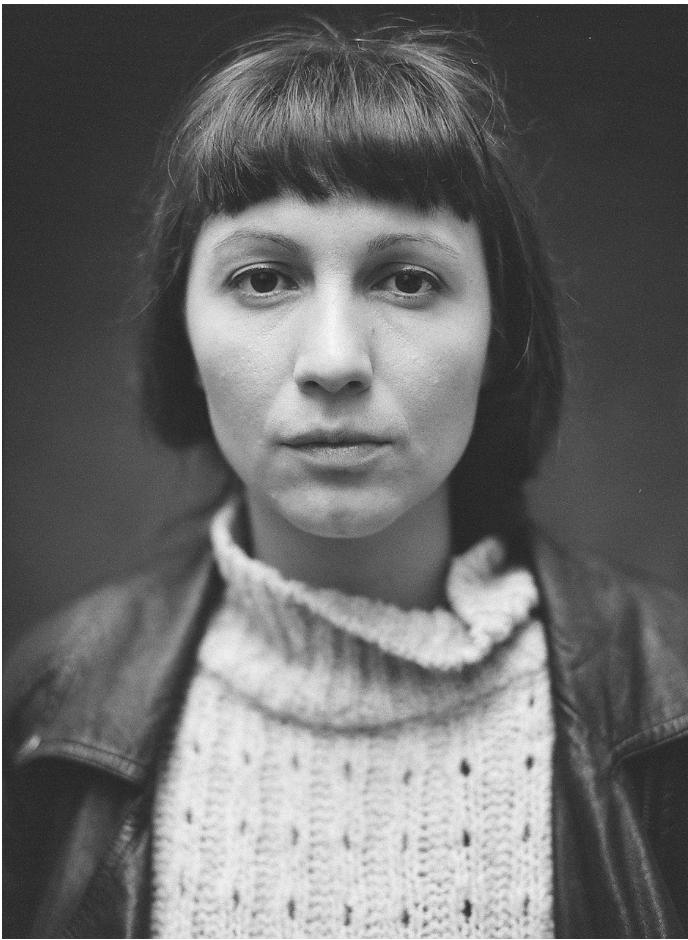
Patricia Morosan is a visual artist (born in Romania, based between Berlin and Athens) who works with photography, film, poetry, performance, and sound. Her works investigate the duality between intimacy and identity, exploring polycentric practices and methods of emotional geography, ecology, and posthumanism. She studied photography at the Ostkreuzschule in Berlin and at the Academy of Fine Arts in Leipzig.
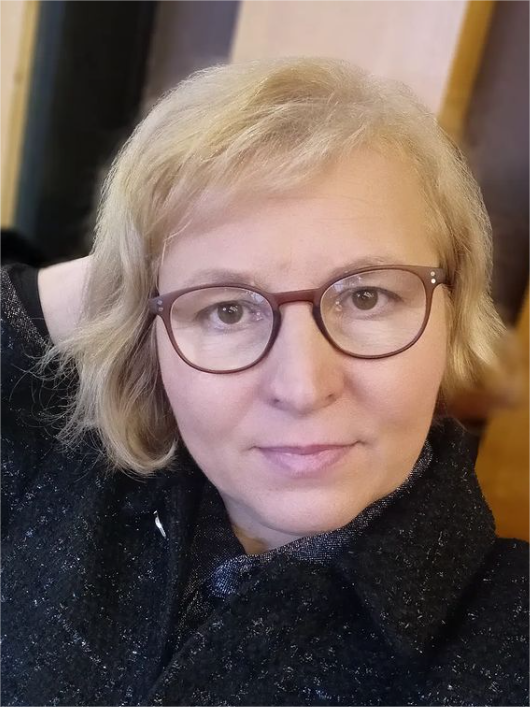
Claudia-Florentina Dobre received her PhD in History from Laval University in Québec in 2007 with a thesis on the memory of communist political persecution from a female perspective. The winner of several research grants, including the Robert Schuman grant from the European Parliament (in 2007), Claudia-Florentina Dobre has co-organized 10 international conferences, edited several volumes and journal issues, co-produced the documentary film “Stories from Bărăgan. Memories from the Romanian Siberia” (2013), published 5 authored works, and coordinated or participated in numerous international projects.
Her research fields include: the history and memory of communism, the memory of political persecution, everyday life during the communist period, museums and memorials, and deportations during the Stalinist era.
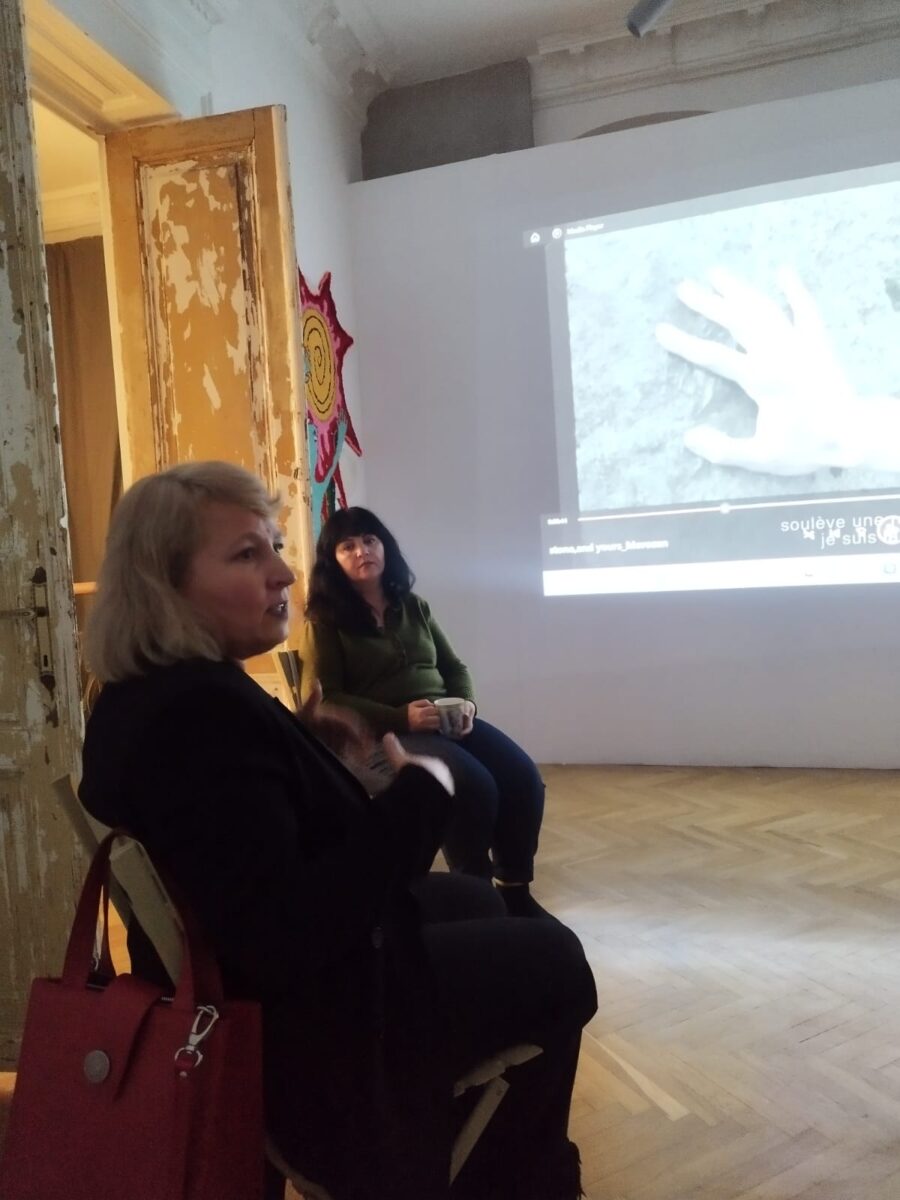
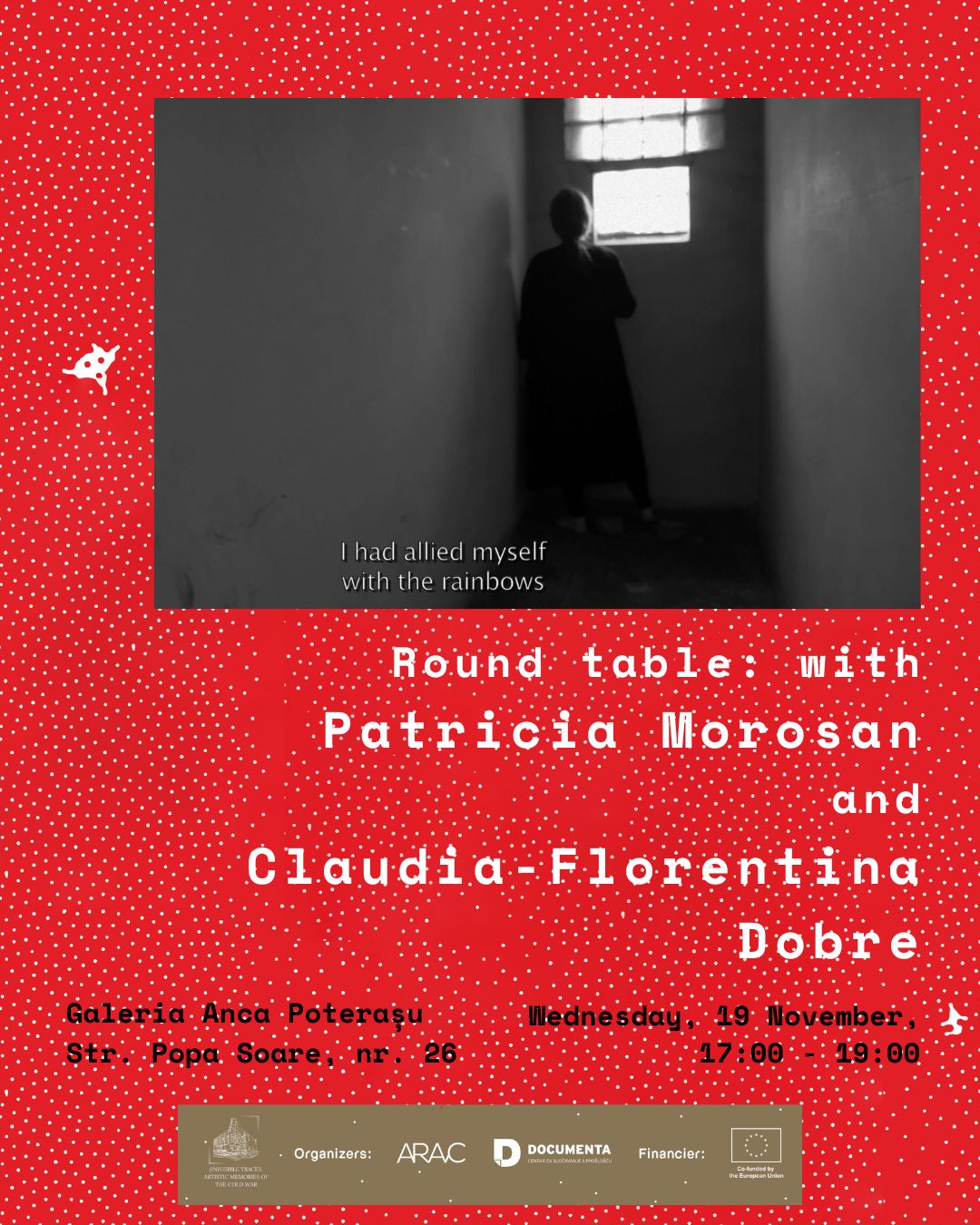
Round Table: Claudia Dobre and Patricia Morosan
November 19th, 17:00 – Anca Poterașu Gallery, Popa Soare 26
The discussion explore the theme of sites of memory, the ways in which they can be protected and valued, their role in society, and the potential of art to respond to the challenges and transformations that these spaces involve.
This talk is organized by ARAC in the framework of AFAR Network project.
About the project: The (In)Visible Traces Artistic Memories of the Cold War project brings together artists, cultural professionals, researchers, youth, educators, and policymakers to engage in a collaborativeexploration of European cultural heritage, with a focus on the Cold War era. The project highlights the importance of preserving and recognizing historical buildings and sites that played a key role during the Cold War, many of which are now vacantor at risk of being forgotten. By combining artistic expression, research, and heritage protection, the project aims to shed light on these neglected locations. Through residencies, artistic interventions, and exhibitions such as You Betrayed the Party When You Should Have Helped It, the initiative will generate new material to stimulate reflectionon Europe’s divided past, while also advocating for the legal and physicalpreservation of these historical spaces.
The project seeks to protect and promote European heritage at risk, contributing to cultural dialogue and offering recommendations for safeguarding historical memory across Europe.